Senchadō Practice
Senchadō (煎茶道), or the Way of Sencha, is a lesser-known Japanese tea ceremony that uses loose-leaf tea instead of matcha. Developed in the Edo period, the art of preparing steeped tea was part of the scholar's social activities, along with poetry, calligraphy and painting.
At Oubaku Baisa-ryu School of Senchadō, we practice a form of tea that emphasizes "kinetic movement" and sensory engagement. Our o-temae (お手前), tea preparation, stemmed from the tea rituals (charei) of Mampuku-ji, the head temple of the Oubaku Zen sect in Uji, Kyoto.
Here, the goal is not to analyze the leaf, but to listen to it. It is an invitation to set aside the noise of the day and settle into the quiet rhythm of the pour, the heat of the water, and the transition of the seasons.
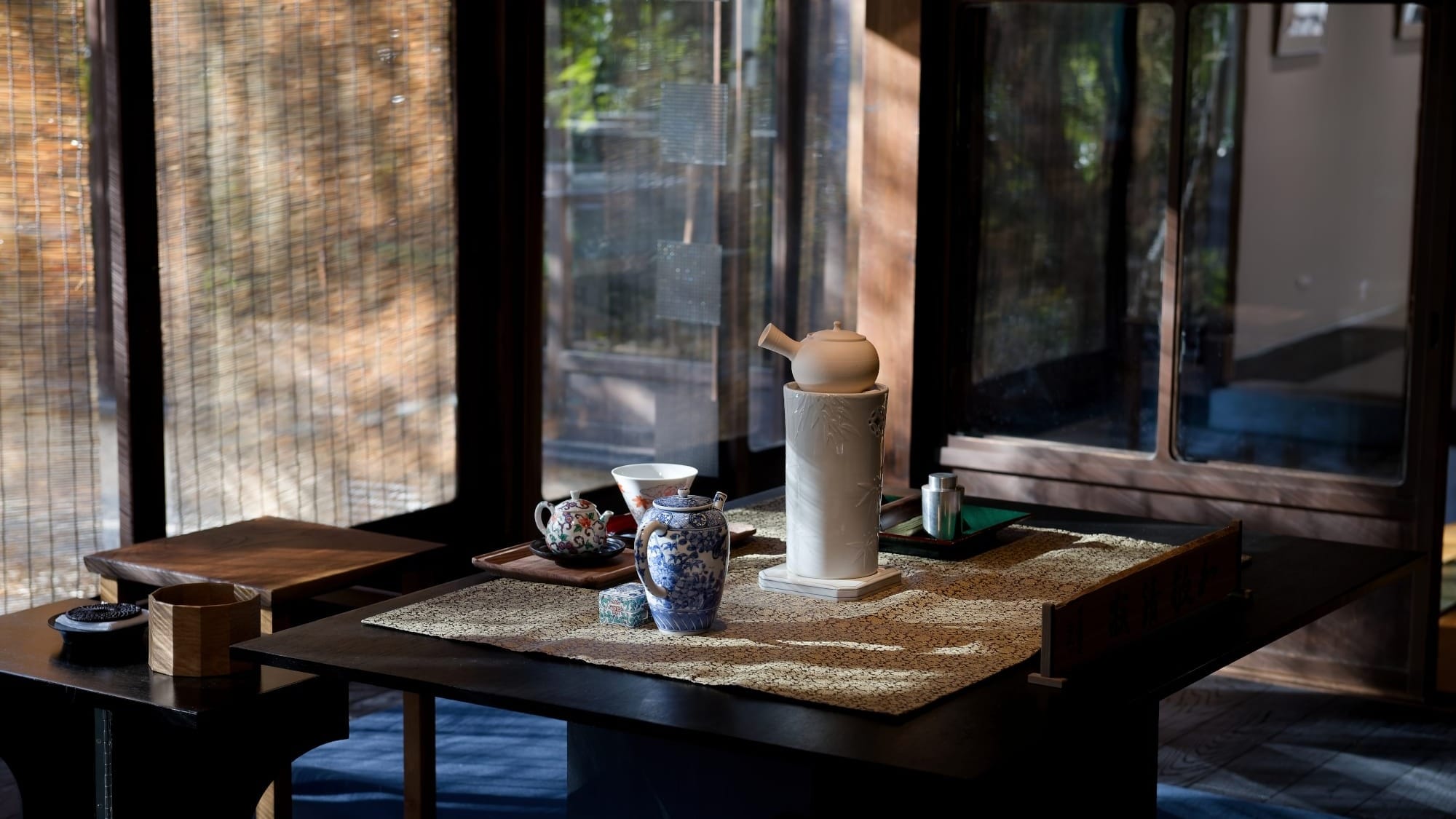
Oubaku Baisa-ryu welcomes everyone interested in practicing Senchadō.
All our o-temae are conducted in ryurei-shiki (立礼式) using tables and chairs. It enables a comfortable, formal tea experience without sitting on the floor in seiza.
Trial Lesson | 一煎の体験会
For those curious about Senchadō, I invite you to schedule a trial lesson. These are private, 70-minute introductions designed to let you experience the form firsthand.
- No prior experience or knowledge of tea etiquette is required.
- Focus: Foundational movements and sensory observation.
Senchadō Practice | 煎茶道のお稽古
This is for those who wish to integrate the discipline of Senchadō into their daily lives, moving beyond the "guest" experience into a deeper commitment to the art. Monthly and bi-monthly practices are available after your first trial lesson.
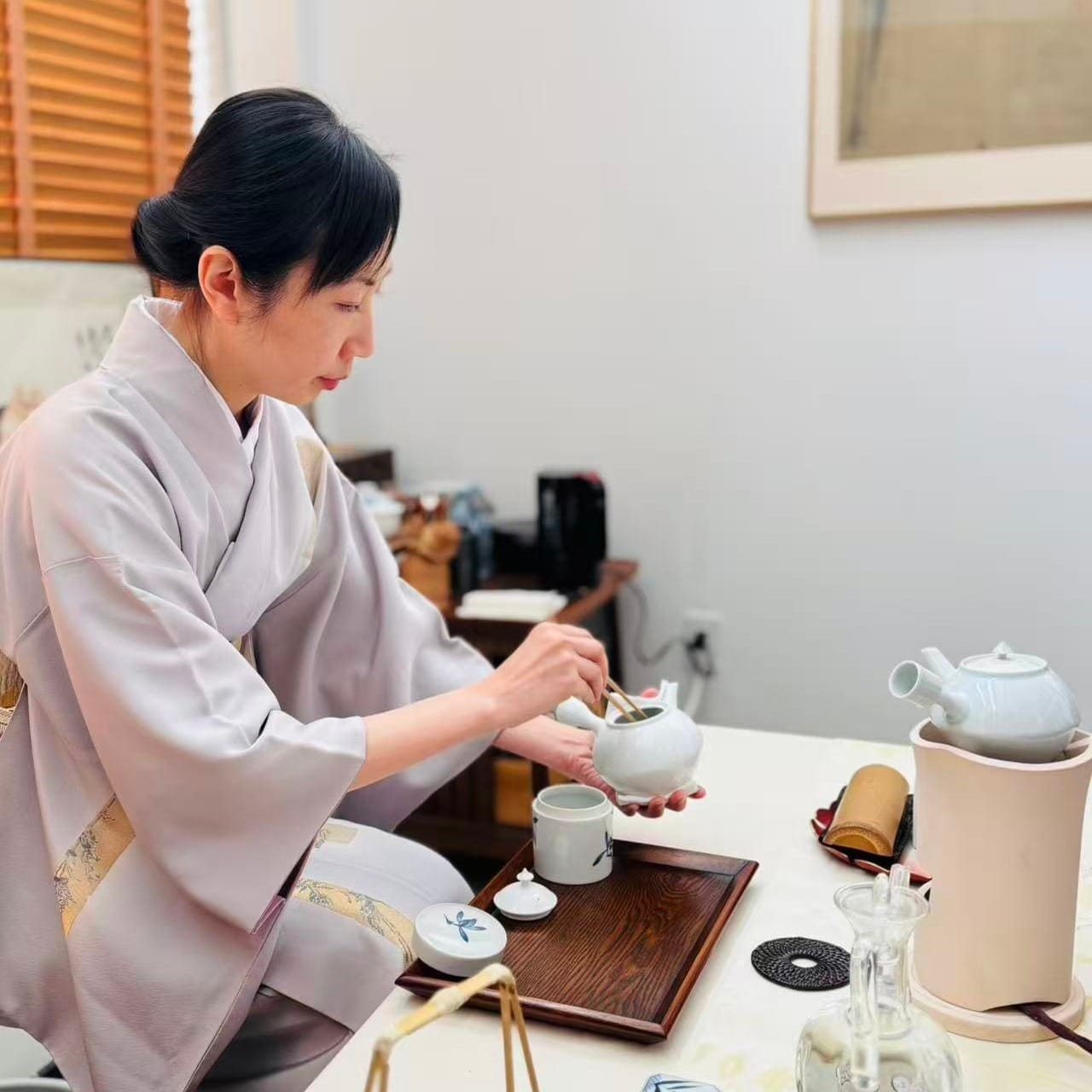
The practice of steep tea was believed to have been brought to Japan by a Chinese monk named Ingen Ryūki 隠元隆琦 in the 1600's. He founded the Oubaku school of Zen and established the head temple Obaku-san Manpuku-ji at Uji, Kyoto. There, tea rituals were a part of temple life. To my surprise, our school's origins are connected with this temple!